

When you think about political boundaries, what comes to mind? Maybe a mental picture of walls, fences, or those pesky maps from your high school geography class? But hold on a second. Political boundaries are more than just lines drawn in the sand. They embody the essence of a nation, foster cultural identities, and even dictate how nations interact with one another. In a world as interconnected as ours, understanding these boundaries is crucial. So, grab your passport, let’s explore the fascinating landscape of political boundaries.
Understanding Political Boundaries
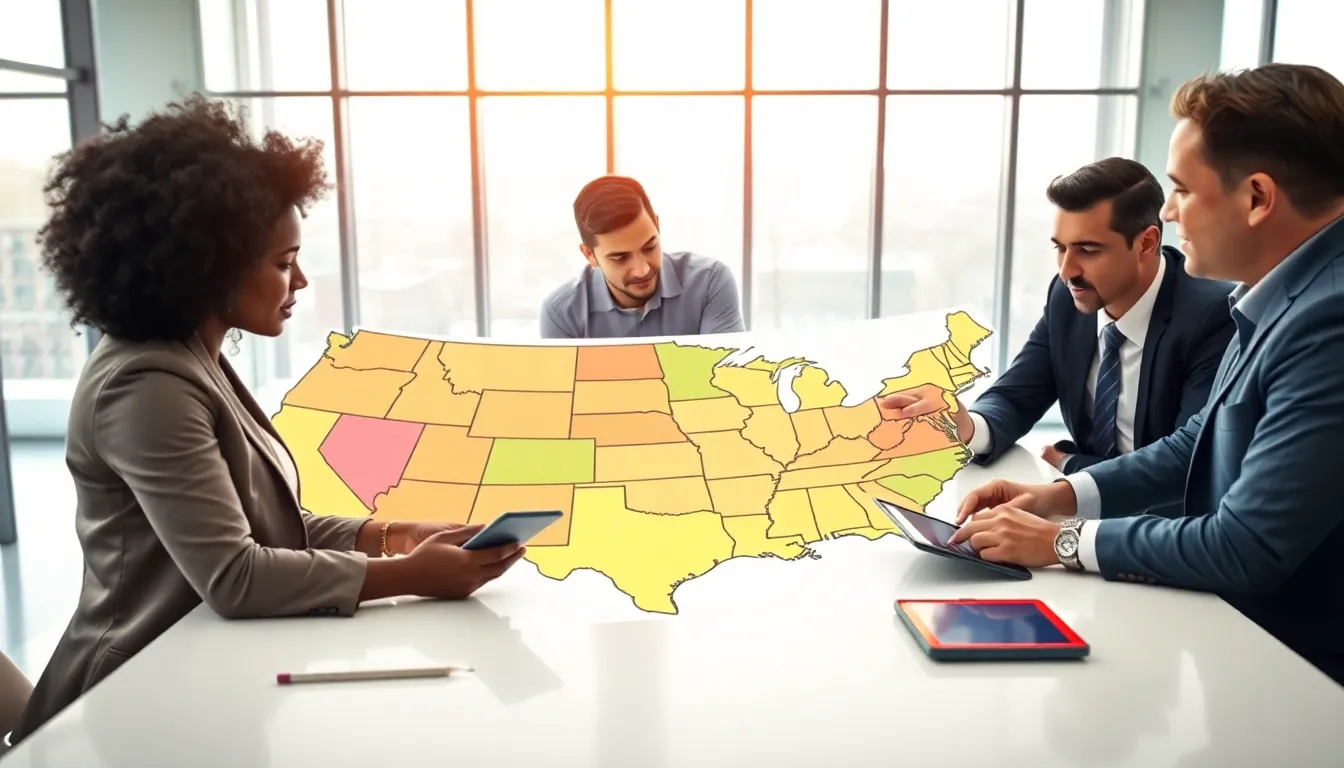
Political boundaries refer to the defined lines that separate different territories, dictating the political landscape of countries, states, or municipalities. These boundaries can be natural, formed by rivers or mountains, or artificial, created through negotiation and treaties. While they may seem straightforward, political boundaries are complex entities that can influence everything from governance to resource allocation. Essentially, they act as markers for legal authority and political jurisdiction, shaping how societies function within their respective spaces.
Historical Context of Political Boundaries
Political boundaries haven’t always looked the way they do today. Historically, these lines have been drawn through wars, treaties, and colonization. The Treaty of Westphalia in 1648 is often cited as a significant moment in defining these boundaries, establishing a framework for the modern state system. Nations began to recognize each other’s territorial sovereignty, leading to the establishment of clear boundaries that defined nation-states. Over time, these boundaries have evolved, sometimes resulting in conflicts, but they remain a key element in understanding geopolitical dynamics.
Types of Political Boundaries
There are various types of political boundaries that play key roles in shaping governance:
- Natural Boundaries: These include rivers, mountains, and lakes that serve as physical barriers. For instance, the Rio Grande separates the U.S. from Mexico, providing a natural delineation that has historical depth.
- Geometric Boundaries: Often seen in Africa, these boundaries are defined by latitudinal and longitudinal lines, creating often arbitrary separations that don’t consider cultural or historical contexts.
- Cultural Boundaries: These boundaries reflect significant cultural differences, such as language or religion, and often result in conflicts. The partition of India and Pakistan serves as a prime example of cultural boundaries affecting political landscapes.
- Political Boundaries: These are established through treaties and legal agreements, marking territories governed by specific laws and regulations.
By understanding these boundaries, one gains insight into the complexity of global affairs.
The Role of Political Boundaries in International Relations
Political boundaries serve as the foundation for international relations, acting as points of interaction between sovereign states. They define where one nation’s authority ends and another begins, impacting diplomatic relations, trade agreements, and even military strategies. Boundaries can also be sources of tension if disputed: take the South China Sea, where overlapping territorial claims have led to intricate diplomatic negotiations and occasional military posturing. In essence, these boundaries shape the framework within which countries cooperate or compete.
Challenges and Conflicts Arising from Political Boundaries
Political boundaries can lead to various challenges, particularly when they’re drawn without considering ethnic, cultural, or economic realities. Disputes over boundaries can ignite conflicts, as seen in regions like the Middle East and the Korean Peninsula. Minorities might find themselves split across boundaries, leading to feelings of disenfranchisement and alienation. The implications are profound, often leading to humanitarian crises. Also, the management of borders can create logistical challenges, such as migration issues and trade barriers. Countries must negotiate these complexities carefully to maintain stability.
The Future of Political Boundaries in a Globalized World
As globalization advances, the concept of political boundaries is undergoing change. Countries are increasingly interlinked through trade agreements and supranational organizations like the European Union, which challenges the strictness of traditional borders. With technology facilitating instant communication and travel, some argue that boundaries may become less relevant. But, others point out that while economic boundaries may shift, the need for political delineation remains crucial. The future might bring softer borders that allow for better collaboration while still recognizing national sovereignty.


