

Let’s jump into Montana’s political map, where the grass is greener, and the elections are even more colorful. Whether you’re a seasoned political analyst or just someone trying to figure out why your neighbor is wearing a ‘Vote for Larry’ shirt, this guide has you covered. From rugged mountains to sprawling plains, Montana’s political landscape is as dynamic as its breathtaking scenery. Buckle up as we navigate through the twists and turns of this vast state’s political districts, parties, and trends, all while keeping a chuckle or two along the way.
Overview of Montana’s Political Landscape
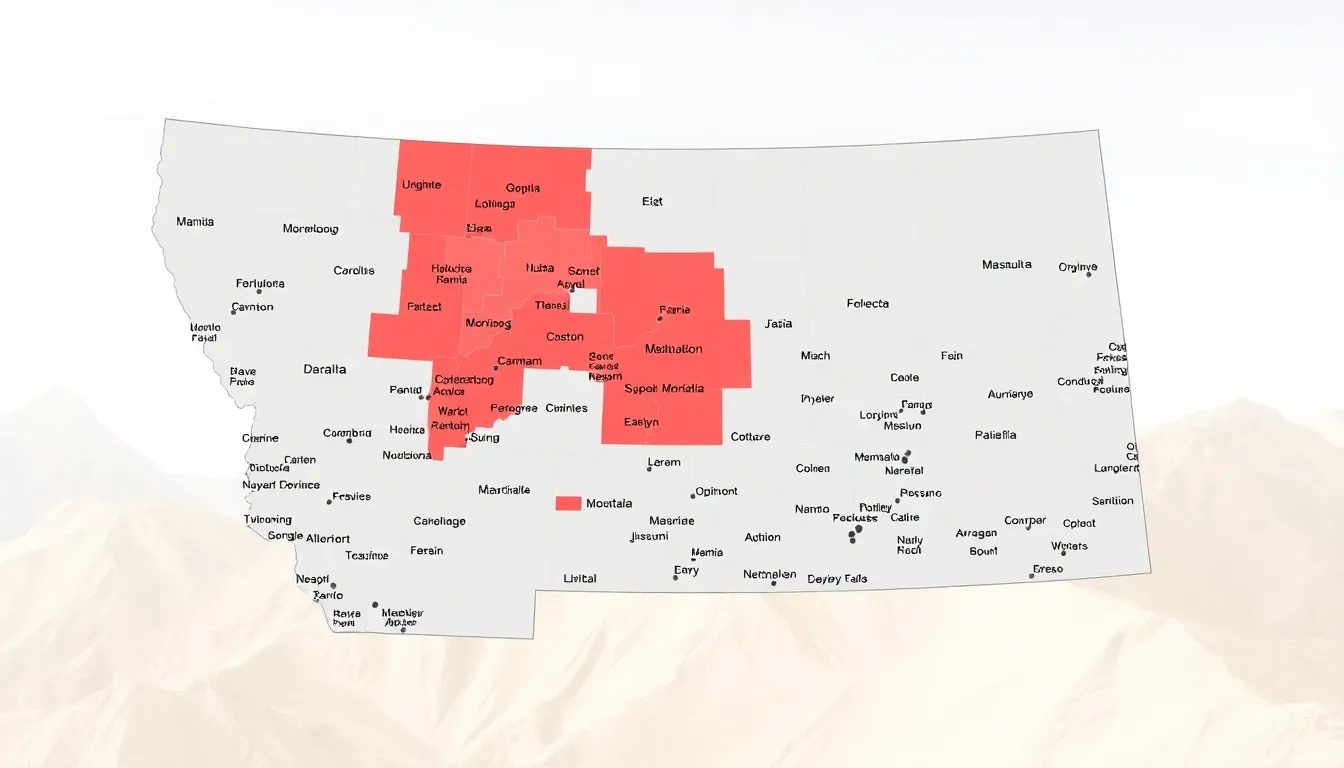
Montana’s political landscape resembles a complex tapestry woven from its diverse geography and distinct social fabric. The state is predominantly rural but has pockets of urban activity, primarily around cities like Billings, Missoula, and Great Falls. Here, political ideologies fluctuate between progressive and conservative, making it a fascinating battleground during elections.
Many outside Montana may view the state as a sea of red, but there are surprising pockets of blue that resist the prevailing trends. The mix of tradition and innovation creates a political environment where issues such as land use, resource management, and healthcare dominate discussions. As they say, what happens in Montana doesn’t just stay in Montana: it ripples across the nation in the broader political dialogue.
Key Political Districts in Montana
Understanding Montana’s political map involves examining its key districts, each of which reflects unique local concerns and values.
- Montana’s Congressional Districts: The state is divided into two congressional districts, the At-Large District, where the entire state votes as one, and District 1, which encompasses the western part of the state. These districts impact national elections and have enduring influence on local representation.
- State Legislative Districts: Montana boasts a bicameral legislature with 100 House districts and 50 Senate districts. Districts are redrawn every ten years, and the latest changes are pivotal for upcoming elections, particularly as they reflect shifts in population and party affiliation.
- Local Governance: Supply districts like school boards and county commissions are also essential to local politics. These small-scale elections often determine community issues and priorities, influencing statewide politics.
Major Political Parties and Their Influence
In the realm of Montana politics, major parties hold significant sway over electoral outcomes.
- Republican Party: Historically dominant in rural areas, the Republican Party has deep roots in Montana, advocating for limited government and individual freedoms. Their agenda often resonates with the state’s agricultural and resource-based communities.
- Democratic Party: In contrast, the Democratic Party has found substantial support in urban centers where progressive ideals flourish. With a focus on healthcare reform, education, and environmental sustainability, they aim to sway the rural vote by connecting these issues to the interests of older communities.
- Independent and Third-Party Influence: Alongside these two giants, Montana sees an increasing number of independent voters and third-party candidates. This shift introduces new dynamics, as candidates like those from the Libertarian Party or Green Party challenge traditional politics.
Electoral Trends and Voting Behavior
Electoral trends in Montana reveal much about voter sentiment and behavior.
- Voter Turnout: Montana consistently sees voter turnout rates higher than the national average, particularly in midterm elections. This engagement often stems from the population’s strong connection to local issues and community identity.
- Swing State Status: As a swing state, Montana plays a crucial role in presidential elections. The state flips between parties in national contests, showcasing a blend of values. The rural electorate balances agricultural concerns while urban voters drive progressive change, making it a true microcosm of American politics.
- Early Voting and Mail-in Ballots: Recent years have witnessed a rise in early voting and mail-in ballots, changing the dynamics of how candidates campaign and engage with constituents.
Impact of Geography on Political Divisions
Montana’s geography plays a central role in shaping its political divisions. The vast expanses of farmland, rugged mountains, and dense forests create regions that experience distinct economic and social challenges.
- Rural vs. Urban Divide: The rural landscape often favors conservative perspectives on land use and resource management, while urban areas tend to align with progressive ideologies that prioritize environmental issues and social justice. This divide shapes election strategies and policy debates.
- Geographical Isolation: Many communities in Montana are remote, making access to information and political engagement a challenge. Candidates need to navigate these distances effectively to win votes. In-person town hall meetings and local gatherings become crucial.
- Resource-Based Economy: Areas rich in natural resources often face unique political pressures related to mining, logging, and agriculture. Local economies are heavily tied to these industries, influencing how residents vote.
Historical Changes in Montana’s Political Map
Montana’s political map is not static: it’s a document of its historical evolution.
- Statehood and Early Politics: Since gaining statehood in 1889, Montana has seen shifts in its political affiliations, often influenced by its demographic changes, economic booms, and downturns. The mining and agricultural sectors have shaped party power dynamics.
- The 20th Century Shifts: Political realignments in the mid-20th century reflected broader national trends. The civil rights movement, coupled with an economic shift towards more diverse industries, sparked a more progressive attitude among younger voters.
- Recent Developments: Recent elections have seen increasingly polarized politics, with the rise of social media impacting youth engagement and political affiliations. The shifting cultural landscape continues to challenge traditional party lines.
Future Projections for Montana Politics
Looking ahead, Montana’s political landscape appears ripe for transformation.
- Demographic Changes: With younger generations moving to urban centers for education and jobs, there may be a tipping point toward progressive policies, particularly in environmental and healthcare reform.
- Technology and Engagement: Increased access to digital tools will likely reshape how campaigns are run. Voters may demand transparency and accountability, pushing candidates to adapt their strategies to meet these expectations.
- Policy Focus: Key issues that will come to the forefront include climate change, healthcare, and rural healthcare access. How parties address these topics will define their appeal to the electorate in future elections.


