
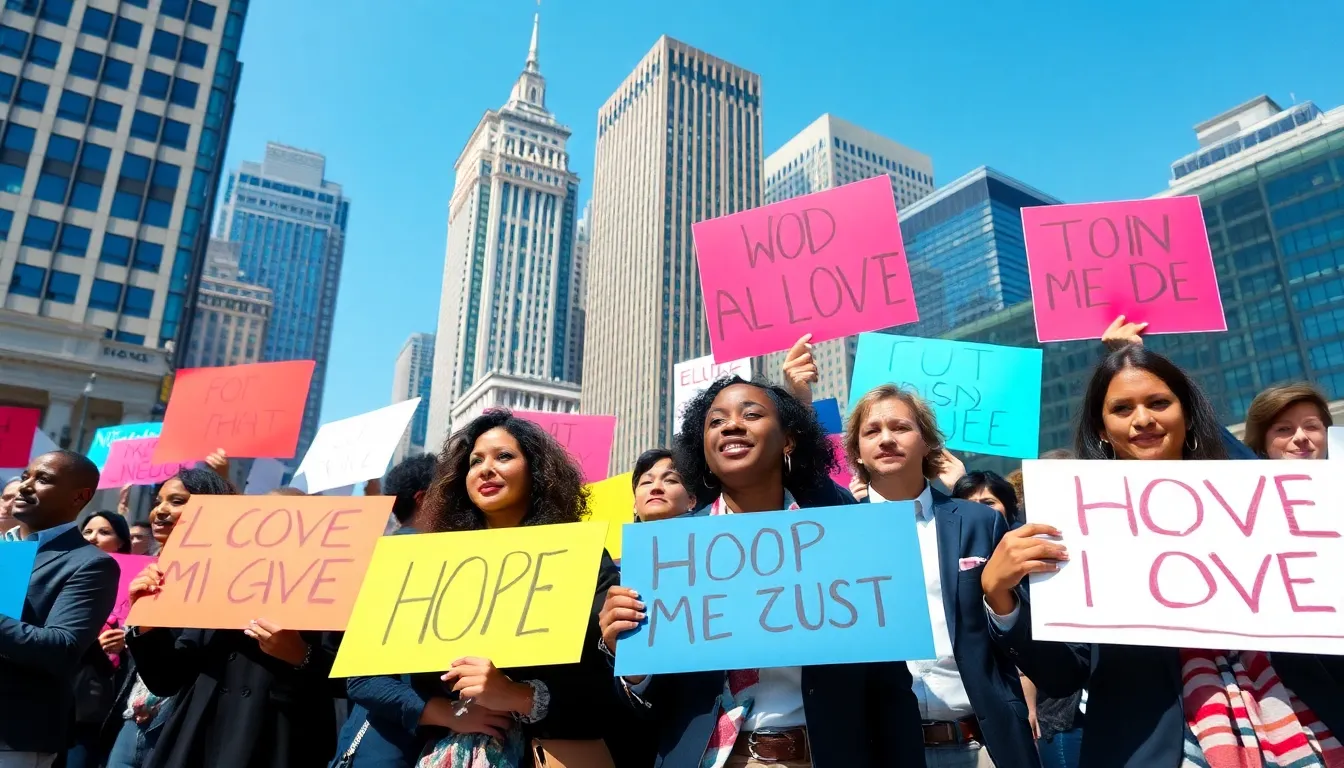
Ever found yourself staring at a political picture, wondering, “What’s the story here?” From powerful leaders to poignant protests, these images do more than capture a moment, they encapsulate emotions, stir debates, and sometimes even spark revolutions. In a society where a picture is worth a thousand words, political imagery becomes a heavyweight contender in the ring of public opinion. Buckle up as we jump into the striking world of political pictures, exploring their timeless importance, the iconic photographers behind them, and how social media has turned the volume up on their impact.
The Importance of Political Imagery
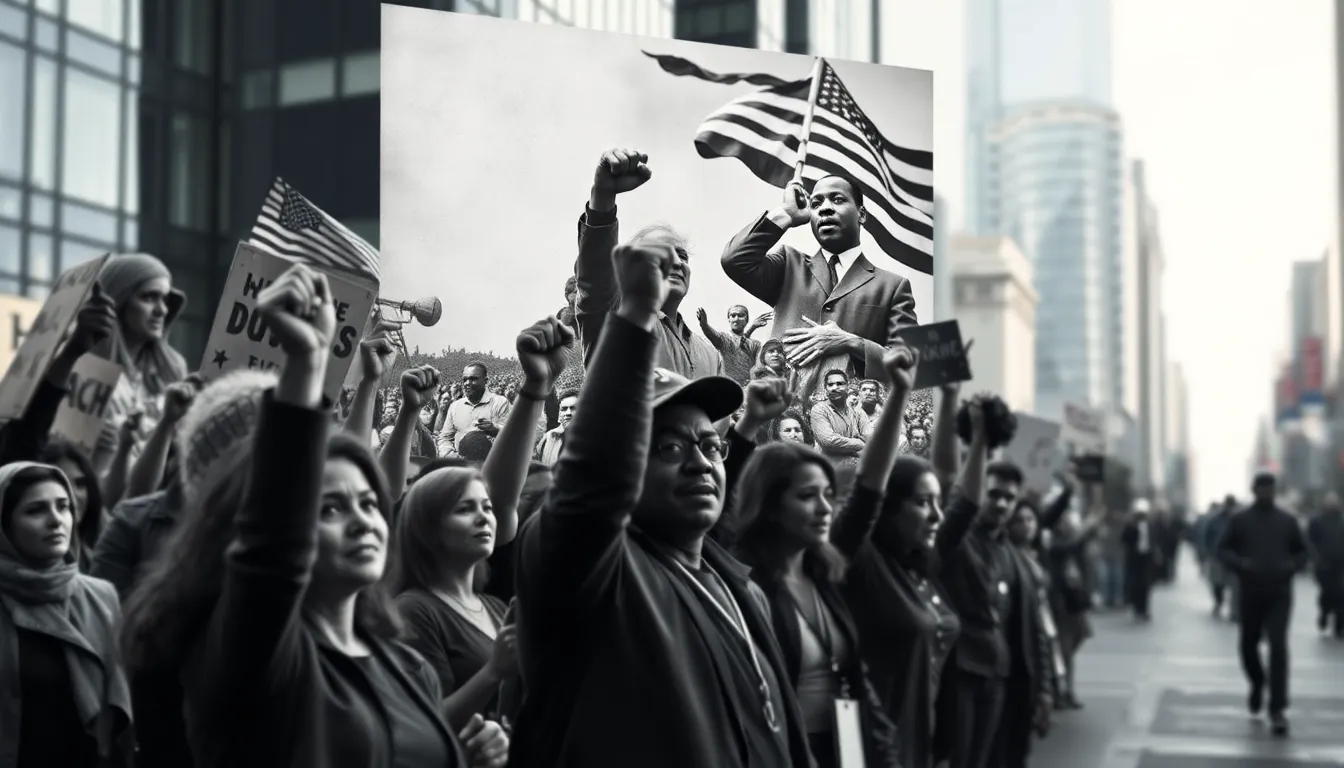
When it comes to political imagery, its significance cannot be overstated. Pictures convey messages that words often can’t. They evoke emotions and prompt responses that might take pages of text to express. For instance, an image of a protest can encapsulate years of frustration, hope, and determination. These visuals become symbols of movements, representing broader societal issues. In today’s fast-paced world, where attention spans are shrinking, political pictures serve as immediate calls to action, galvanizing public sentiment like never before.
Also, political imagery is instrumental in shaping narratives. Think about iconic images like the photograph of the I Have a Dream speech or the famous image of soldiers raising the flag at Iwo Jima. These pictures became anchors for historical moments, defining them in the collective consciousness. They’re not just photographs: they’re narratives frozen in time, carrying the weight of public sentiment with them. The combination of imagery and emotion drives people to act, whether that’s through voting, protesting, or engaging in discussions, making these images invaluable tools of persuasion.
Historical Context of Political Photography
Political photography has roots entrenched deep in history. Its journey began long before social media and smartphones, evolving alongside the political landscape itself. In the 19th century, photography was a novel medium, and it had a transformative impact on how society viewed politics. Early photographs of civil war battles shaped public perception of warfare, while portraits of political leaders humanized them, enhancing their relatability.
Fast forward to the 20th century, and photography became essential in capturing pivotal moments like the Civil Rights Movement. In this era, images of protests, marches, and pivotal figures brought societal issues into sharper focus, driving public discourse. Photographers like Gordon Parks documented these moments with nuance and sensitivity, allowing viewers to grasp the complexities of the time. Today, political photography continues to evolve, blending documentary styles with artistic interpretations.
Famous Political Photographers and Their Impact
Throughout history, several photographers have shaped the landscape of political imagery. One legendary name that often comes to mind is Dorothea Lange, whose work during the Great Depression captured the struggles of American families with haunting poignancy. Her famous photo, Migrant Mother, remains a powerful symbol of resilience and hope.
Another noteworthy figure is Alberto Korda, whose iconic image of Che Guevara has become a worldwide emblem of rebellion and change. It illustrates how one photograph can transcend borders and cultures, encapsulating the spirit of a movement. Also, contemporary photographers like Annie Leibovitz turn political figures into icons. Leibovitz’s portraits transform the political into the personal, allowing viewers to connect with leaders on a human level, thereby altering public perception.
These photographers, along with many others, have demonstrated the sheer power of political images, pushing boundaries and challenging viewers to rethink their notions of leadership and activism.
Analyzing Political Pictures: Techniques and Styles
Analyzing political pictures is like peeling an onion, layer by layer, each revelation brings new insights. Techniques and styles used by photographers not only enhance the image but also amplify its message. For example, the use of contrast can evoke feelings of tension or harmony. A dark background behind a solemn leader can symbolize gravity, while vibrant colors in protest images can reflect passion and urgency.
Also, composition plays a critical role. The rule of thirds is a technique that many photographers employ, creating a balanced visual experience that draws the viewer’s attention. Focal points within a photograph guide the narrative direction, allowing viewers to focus on specifics, whether it’s a person’s expression or a symbolic object.
Also, candid versus staged photography can greatly change the perception of a political image. Candid shots capture spontaneity, presenting an unfiltered glimpse into events. On the other hand, staged photographs often carry an air of calculated intention, designed to convey a specific political stance or ideology. Understanding these nuances allows viewers to engage with political imagery on a deeper level.
The Role of Social Media in Political Imagery
In our digital age, social media has revolutionized how political pictures spread and are perceived. Platforms like Instagram, Twitter, and Facebook act as amplifiers for political imagery, allowing pictures to circulate wildly and influence public opinion almost instantaneously. A powerful image can go viral within hours, rapidly shaping the discourse surrounding an event.
Also, social media enables a democratization of political imagery. It offers individuals the platform to share their own political perspectives through photography, leveling the playing field in a way that traditional media outlets often do not. Ordinary citizens can share images from protests, rallies, or local gatherings, providing grassroots commentary that might be overlooked by mainstream media.
But, this newfound power isn’t without its challenges. The rapid pace and ease of sharing can lead to misinformation, where context is lost, and images may be manipulated or misinterpreted. So, while social media enhances visibility, it raises questions about the authenticity and responsibility of political imagery shared online.
Ethics and Responsibility in Political Photography
With great power comes great responsibility, especially in the world of political photography. The ethical implications of capturing and disseminating political images are immense. Photographers often find themselves walking a tightrope between documenting reality and influencing it. Sensationalism can compromise the message, overshadowing the seriousness of the subject matter.
Besides, considerations of consent become critical. Are individuals captured in protest imagery aware that their faces will circulate globally? While public figures may be more accustomed to scrutiny, ordinary citizens captured in vulnerable moments deserve consideration and respect.
Ethical political photography balances authenticity with sensitivity. It acknowledges the power of images to catalyze change while remaining mindful of the narratives they produce. Responsible photographers strive to empower subjects rather than exploit them, fostering narratives that promote understanding and compassion.


